What Makes a Website Feel Trustworthy? A Developer’s Take

When users land on a website, their decision to stay or leave happens within seconds. For businesses offering web application development services, this moment is especially critical, as first impressions often reflect perceived technical expertise.
Sometimes the reason is obvious: a slow load time or a broken layout. Other times, it’s subtle. The website simply doesn’t feel reliable.
From a developer’s perspective, trust is not accidental. It is built through deliberate decisions in design, performance, and structure. For technical buyers such as developers, product managers, and SaaS founders, this process goes even deeper.
They don’t just browse a website. They evaluate it.
They assess how it’s built, how it performs, and whether the same level of quality will reflect in the actual product or service. Both visible design elements and underlying technical signals shape their decisions.
So what exactly makes a website feel trustworthy to a technical audience? Let’s break it down.
1. First Impressions Reflect Design Discipline
The first interaction with a website is always visual. However, technical users interpret design differently.
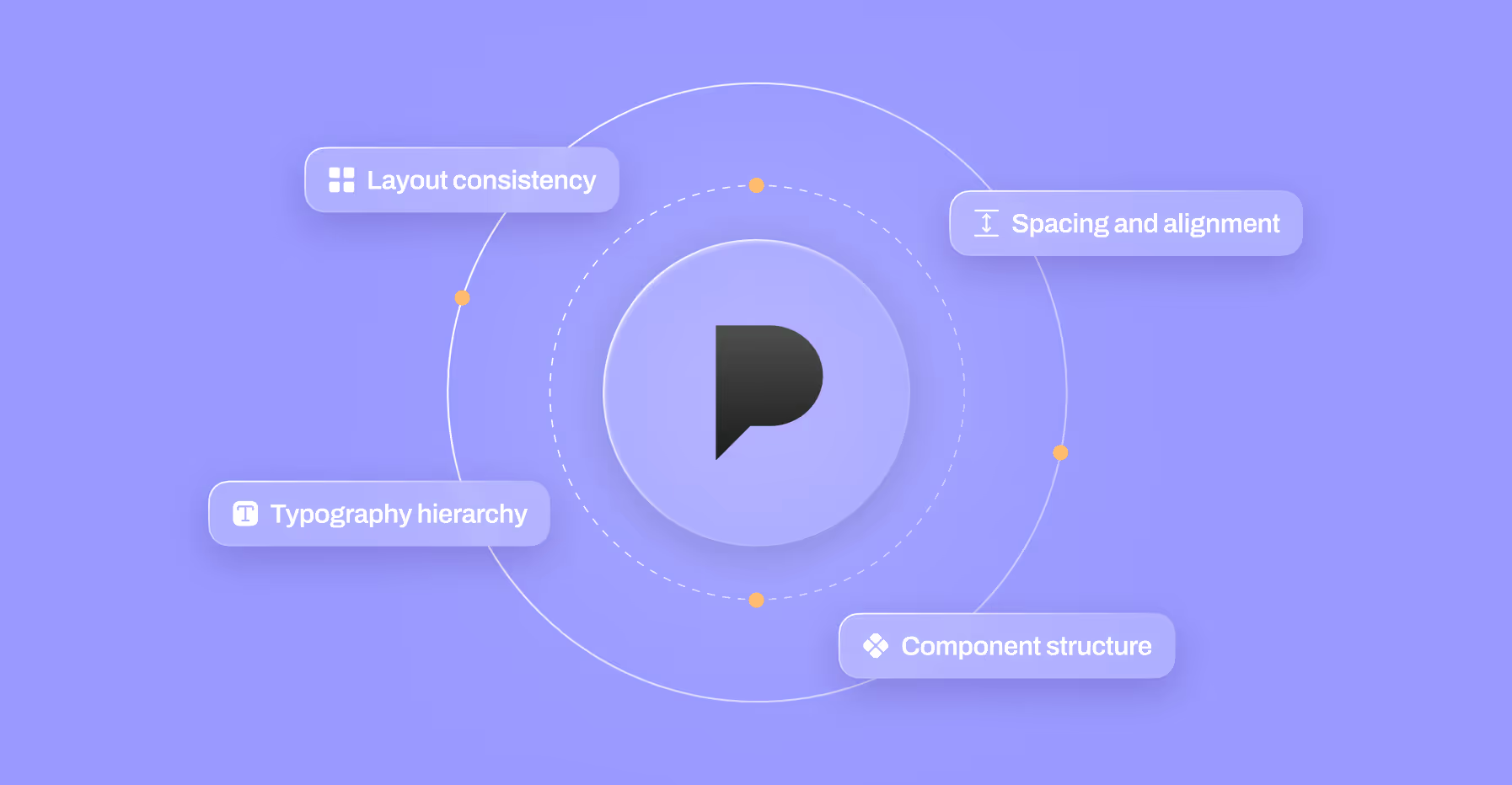
Instead of just noticing how it looks, they evaluate:
- Layout consistency
- Spacing and alignment
- Typography hierarchy
- Component structure
This is where strong UI design services play a key role. A clean, well-balanced interface suggests that the team follows a structured approach, possibly supported by a design system.
On the other hand, inconsistent layouts or poor spacing can indicate rushed implementation or a lack of attention to detail. First impressions, in this case, are often tied directly to perceived build quality.
2. Performance Builds Immediate Credibility
Speed is one of the first things technical buyers notice.
A slow-loading website raises immediate concerns:
- Are assets optimized properly?
- Is the frontend overloaded?
- Are modern performance practices being followed?
Performance is not just about user experience; it reflects engineering capability. A fast website signals that the team understands optimization, scalability, and efficient delivery.
This is why businesses investing in performance optimization and website maintenance services often stand out. A consistently fast and smooth experience communicates reliability without needing explanation.
3. Clear Messaging Supports Faster Decision-Making
Technical buyers value clarity over complexity.
If a website fails to clearly explain what it offers, users are forced to interpret or guess. This creates friction and slows down decision-making.
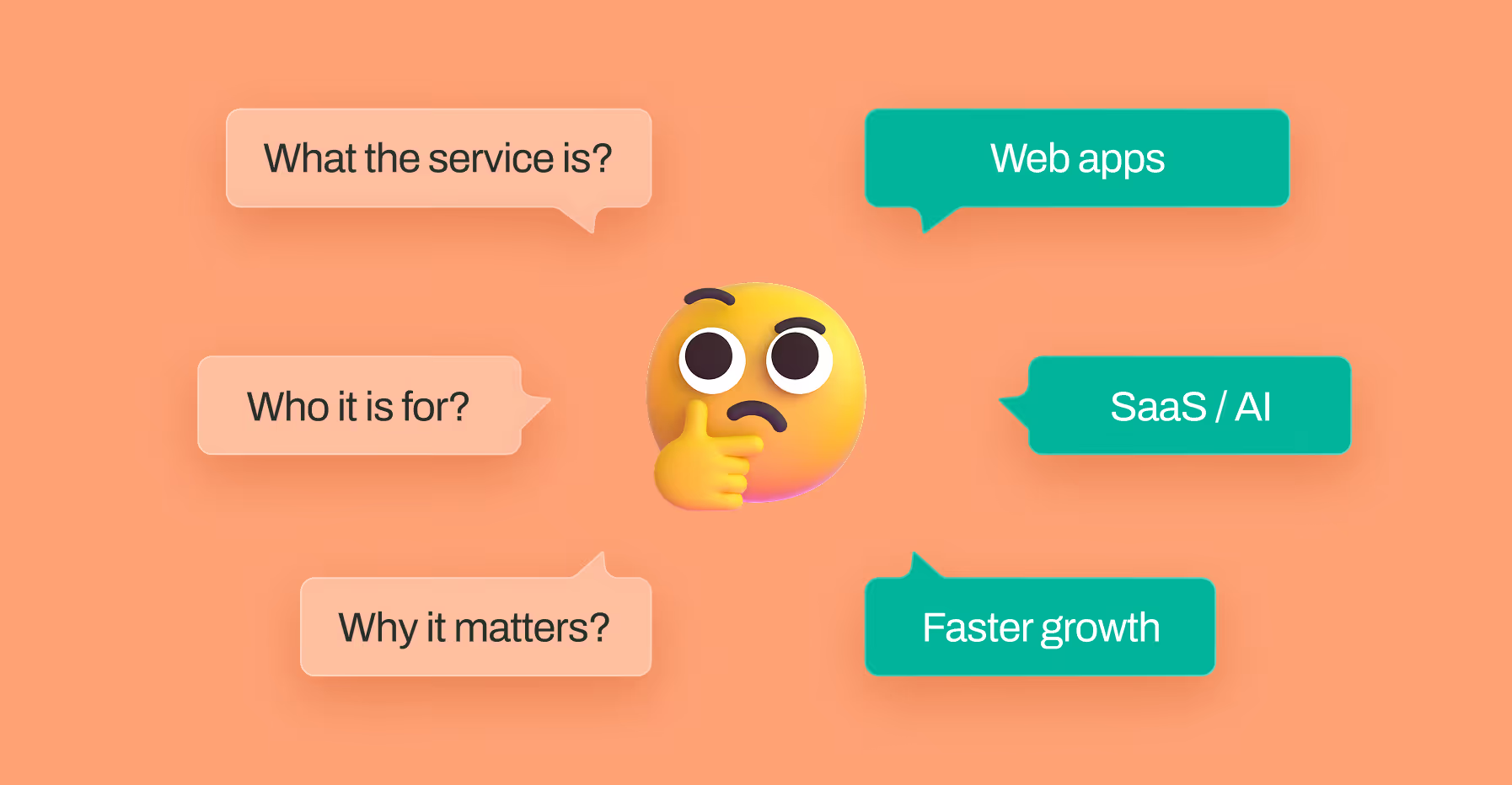
For example, if you provide web application development services, it should be stated clearly and directly. Avoiding unnecessary buzzwords helps users quickly understand:
- What the service is
- Who it is for
- Why it matters
Clear messaging reduces cognitive load and allows users to make confident decisions faster.
4. Structure Reveals How the Product Is Built
Website structure is often a reflection of the team’s thinking process.
Technical users pay close attention to:
- Navigation flow
- Page hierarchy
- Logical grouping of content
A well-structured website feels intuitive. Users can move through it without confusion, and each section connects logically to the next.
Poor structure, however, can feel similar to poorly written code, difficult to follow, and inconsistent. In contrast, a clean and organized structure builds trust by demonstrating clarity and planning.
5. Consistency Indicates a Scalable System
Consistency across pages is a strong indicator of maturity.
This includes:
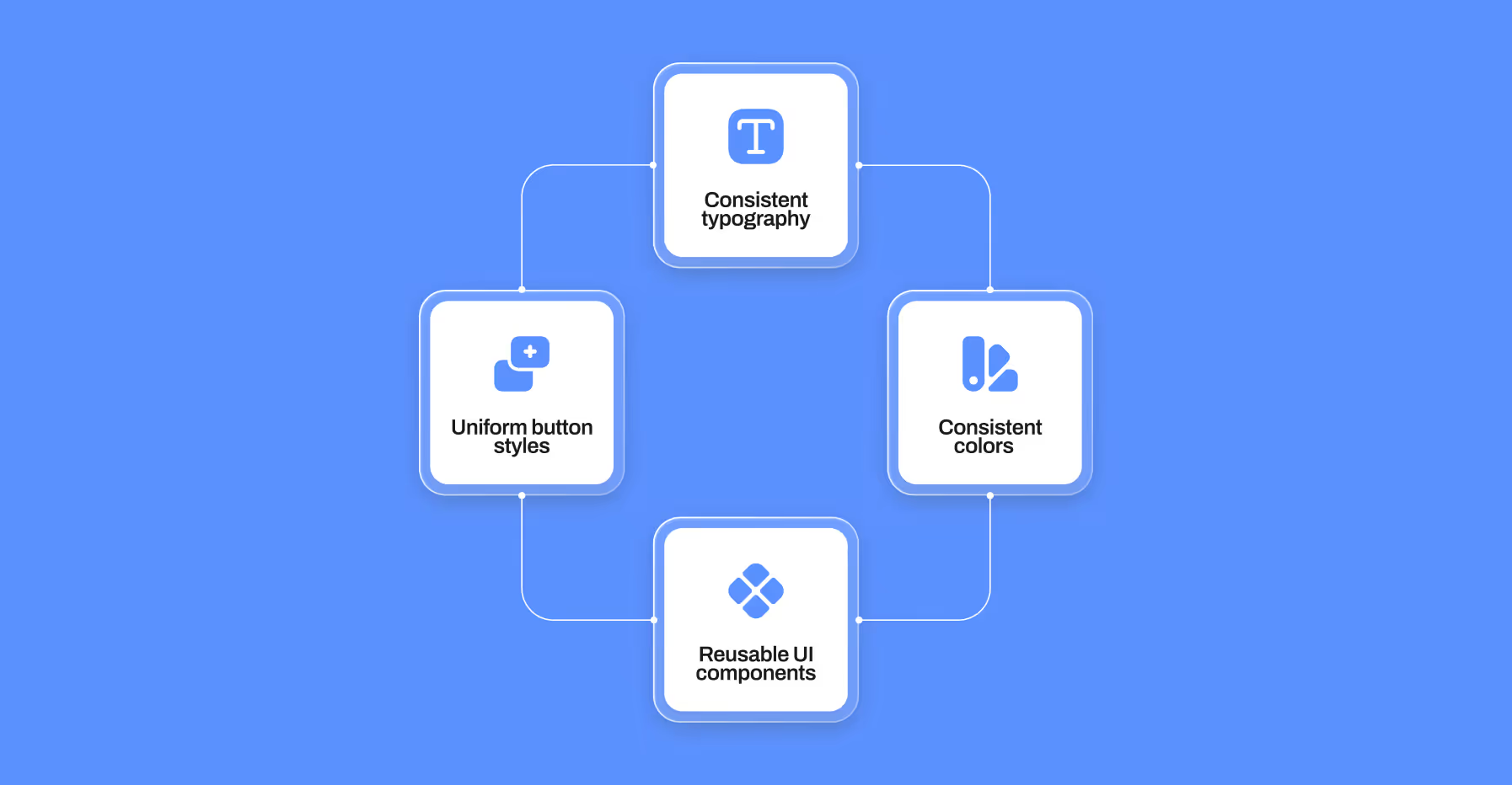
- Uniform button styles
- Consistent typography and colors
- Reusable UI components
For technical buyers, this often suggests the presence of a design system or component-based development approach.
Inconsistent design elements can signal fragmented workflows or a lack of standardization. A consistent interface, on the other hand, communicates stability and scalability, both critical for SaaS and product-driven businesses.
6. Design Should Guide, Not Confuse
Effective design is not just about visual appeal; it is about direction.
A well-executed landing page design helps users understand:
- Where to focus their attention
- What information is most important
- What action to take next
This is achieved through strong visual hierarchy, spacing, and clear calls to action.
When users feel guided, their experience becomes effortless. When they feel lost or uncertain, trust decreases. Technical buyers, in particular, expect a smooth and predictable flow.
7. Authentic Content Strengthens Credibility
Generic content can quickly reduce trust, especially for a technical audience.
Websites that rely heavily on stock images or vague messaging often raise doubts about authenticity. Technical buyers look for evidence that the company has real experience.
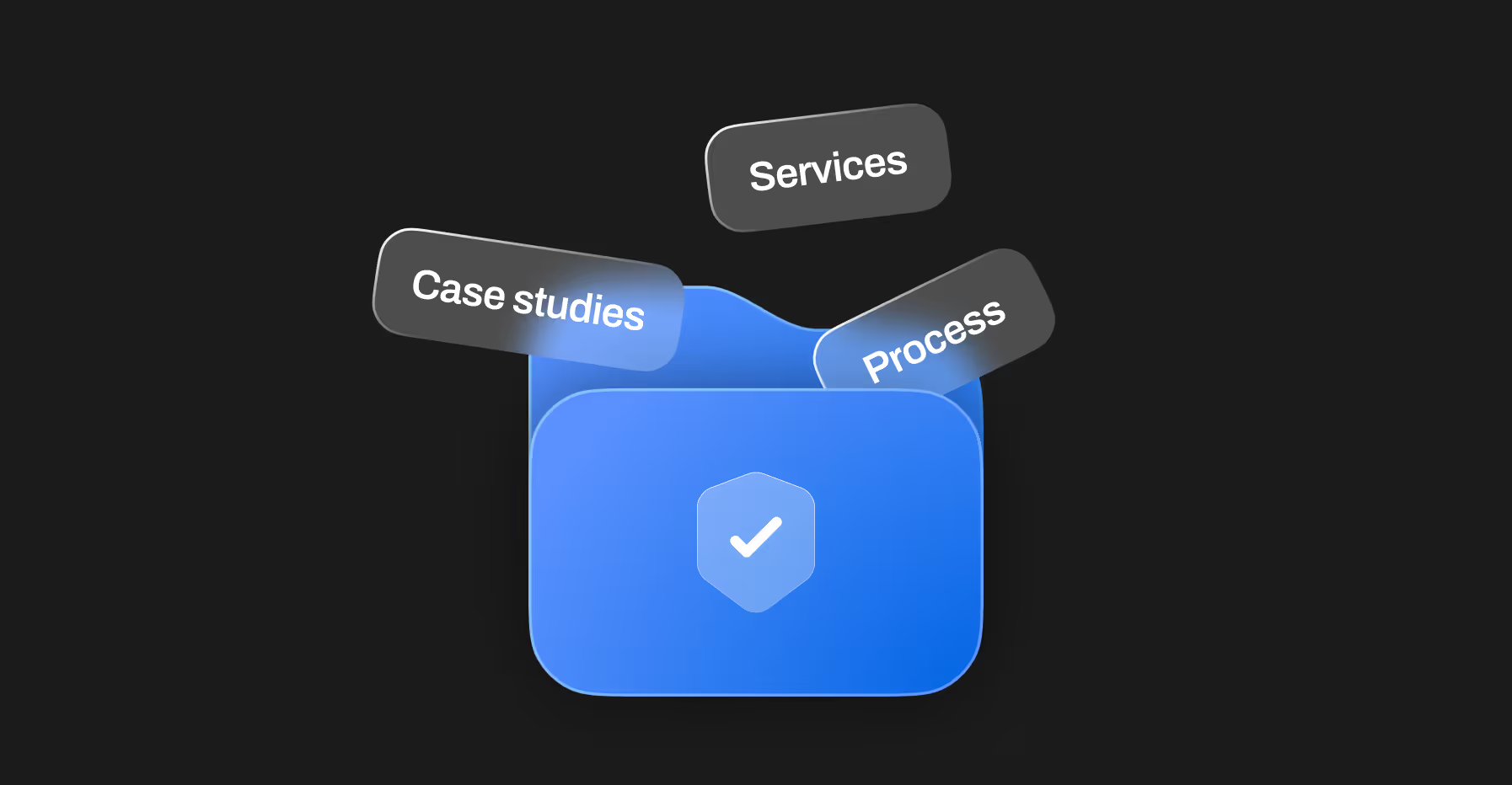
Trust-building content includes:
- Detailed case studies
- Clear service breakdowns
- Transparent explanation of processes
Providing specific information, such as how a solution is approached or delivered, helps users evaluate credibility more effectively.
8. Security and Transparency Are Essential
Security is a fundamental requirement for trust.
Technical users often check for:
- HTTPS implementation
- Secure form handling
- Clear privacy policies
Even small inconsistencies in these areas can create hesitation. A secure and transparent website reassures users that their data is handled responsibly.
Trust is not only built through design and performance, but also through how safe the experience feels.
9. Mobile Responsiveness Reflects Modern Development Practices
A significant portion of users access websites through mobile devices. As a result, responsiveness is a basic expectation.
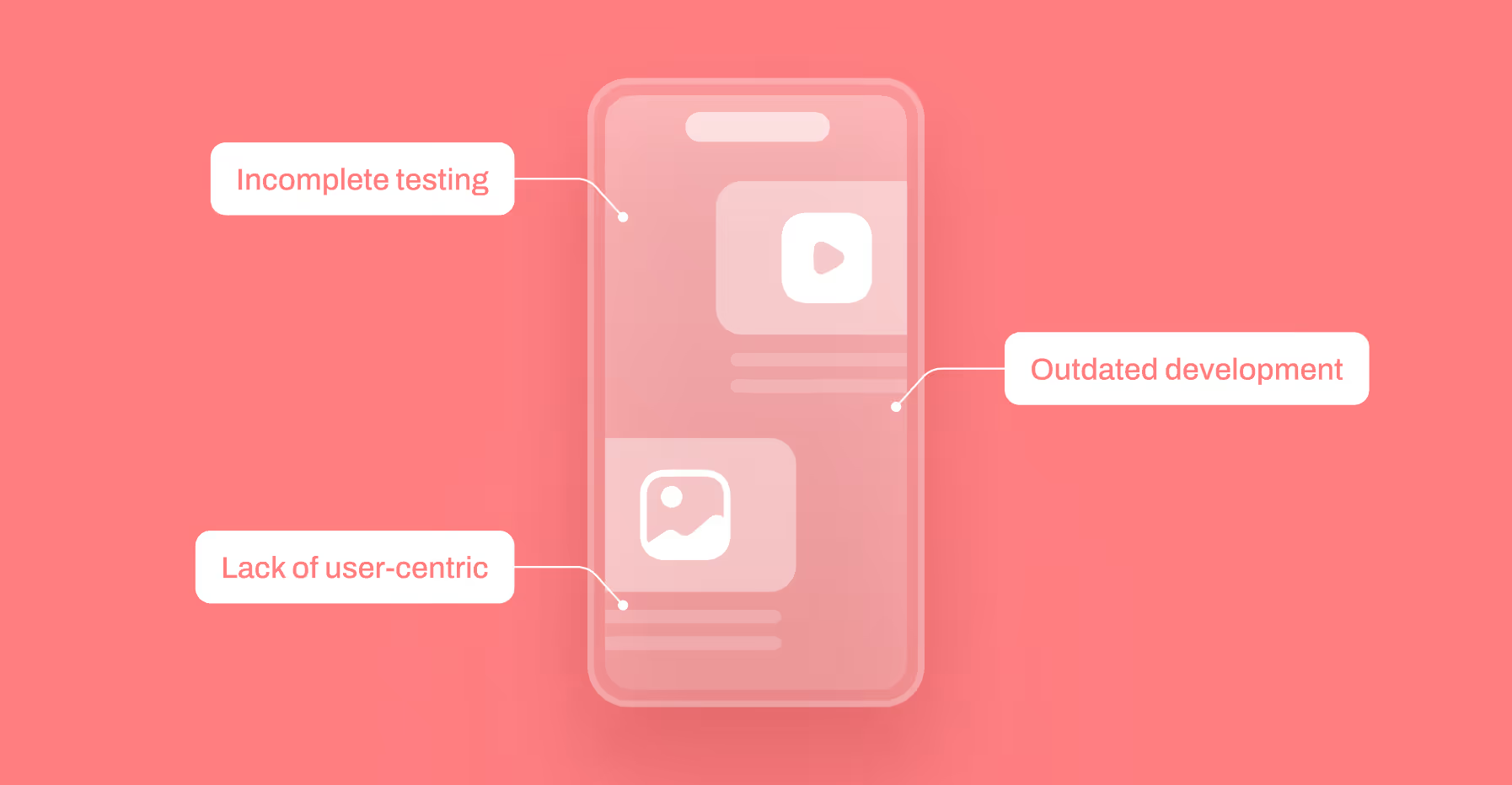
If a website does not perform well on mobile, it can indicate:
- Incomplete testing
- Outdated development practices
- Lack of user-centric thinking
Technical buyers expect consistency across devices. A responsive design demonstrates that the team understands modern standards and prioritizes accessibility.
10. Regular Updates Show Active Maintenance
An outdated website can quietly reduce credibility.
Technical users often look for signs of activity, such as:
- Recently updated content
- Modern UI patterns
- Functional links and features
This is where ongoing website maintenance services become important. Regular updates indicate that the business is active, engaged, and continuously improving its digital presence.
A well-maintained website reinforces long-term reliability.
Conclusion: Trust Is Built Into the Foundation
A single feature does not define a trustworthy website. It is the result of consistent execution across design, performance, structure, and content.
From a developer’s perspective, these elements work together to create a seamless and predictable experience. Technical buyers naturally evaluate these details as part of their decision-making process.
At Peppermint, these principles are reflected in how every layer of a website is thoughtfully designed and implemented, ensuring that trust is not treated as an afterthought but as a core priority.
They observe how the website performs, how clearly it communicates, and how well it is structured. These factors help them determine whether the product or service behind the website is reliable.
Ultimately, trust is not something that can be added later. It is built into the foundation of the website from the very beginning through thoughtful decisions, careful implementation, and continuous improvement.