How Vercel, GitHub, and Postman Influence DevTools Design Culture

Introduction: From Tools to Culture
Ten years ago, design in developer tools was an afterthought. If the product worked, that was enough. Everything else was noise.
Over the last decade, devtools have gone through the same transition SaaS experienced earlier: they have become competitive not only in terms of technology — but in terms of experience.
Companies like Vercel, GitHub, Postman, Linear, and Supabase helped establish a new design culture.
Precise. Minimal. Technical. Yet deeply aware of human cognition.
This shift did not originate in marketing. It emerged from teams that understood a simple truth: Design is not decoration.
It is a component of developer experience — and therefore of speed, precision, and confidence.
Vercel: Minimalism as Performance
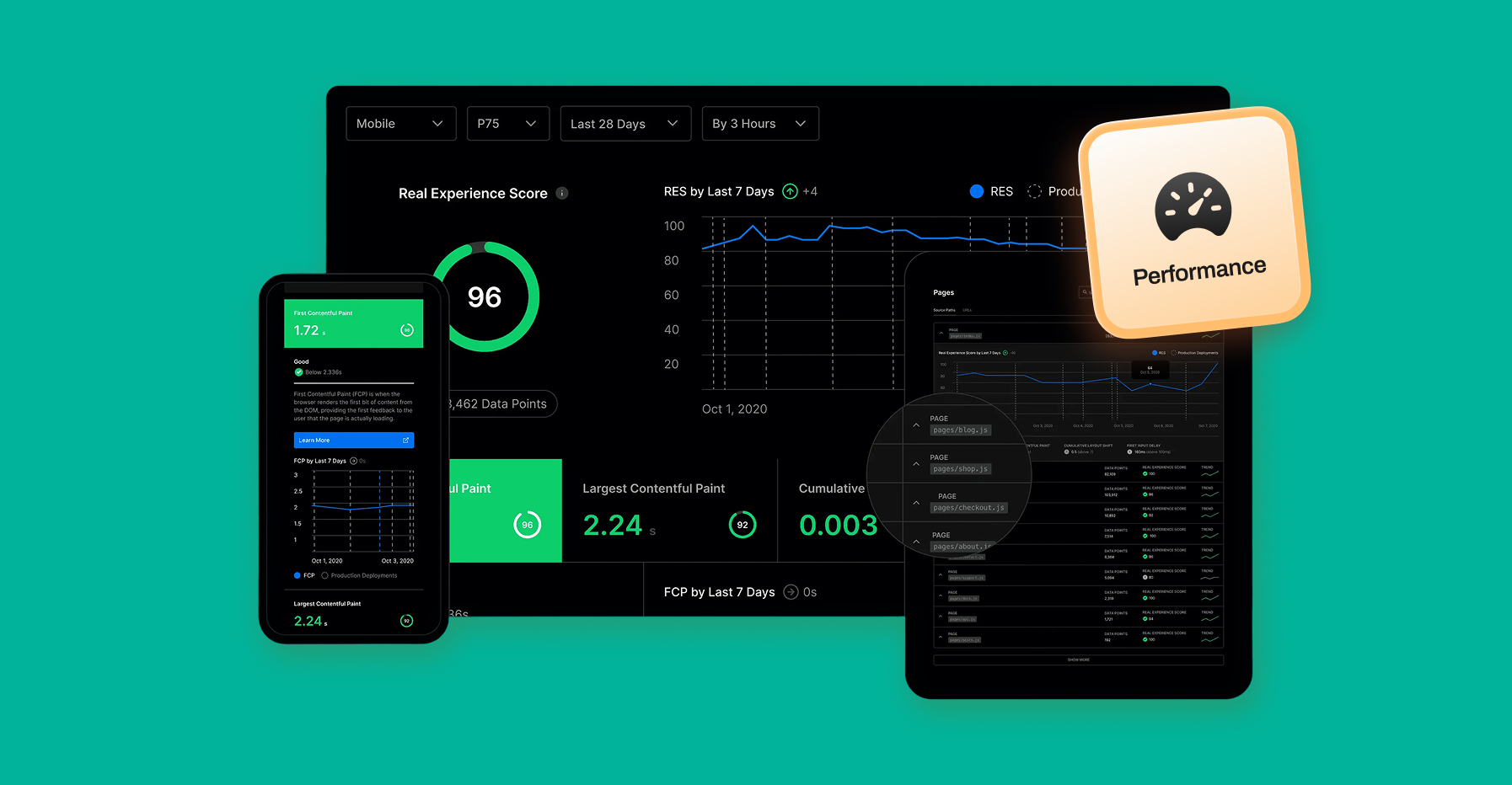
Vercel represents speed not only as infrastructure — but as interface philosophy. The product removes anything that slows down thought, feedback, or execution.
Key Principles
1. Speed in every frame
Motion design is not visual flourish. It communicates instant system response. Even small delays are visually framed to feel fast.
2. Minimal UI, maximum predictability
No ornamental components. No visual clutter. Only hierarchy, typography, and signal.
3. Optimistic UI
The interface assumes success and reflects it immediately while operations complete in the background. This reduces cognitive friction and accelerates perceived performance.
Performance improvements directly impact engagement and task completion.
Speed perception is a measurable product growth factor.
Source: Google Web Performance Research
Vercel demonstrates that design does not need to be expressive. It needs to be operationally fast.
GitHub: Humanism in Engineering Space
GitHub predates the modern devtools design movement. It is less a trend and more a foundation. It emerged when “design for developers” sounded contradictory.
Yet GitHub became the template for what can now be described as developer comfort.
Their Approach
1. Terminal heritage
Monospace typography, dense layouts, high contrast. Technical without feeling heavy.
2. Human tone
System messaging speaks with clarity rather than authority. Less friction. More understanding.
3. Trust through predictability
Diff workflows, merge mechanics, issue systems — these became shared UX patterns for engineering collaboration.
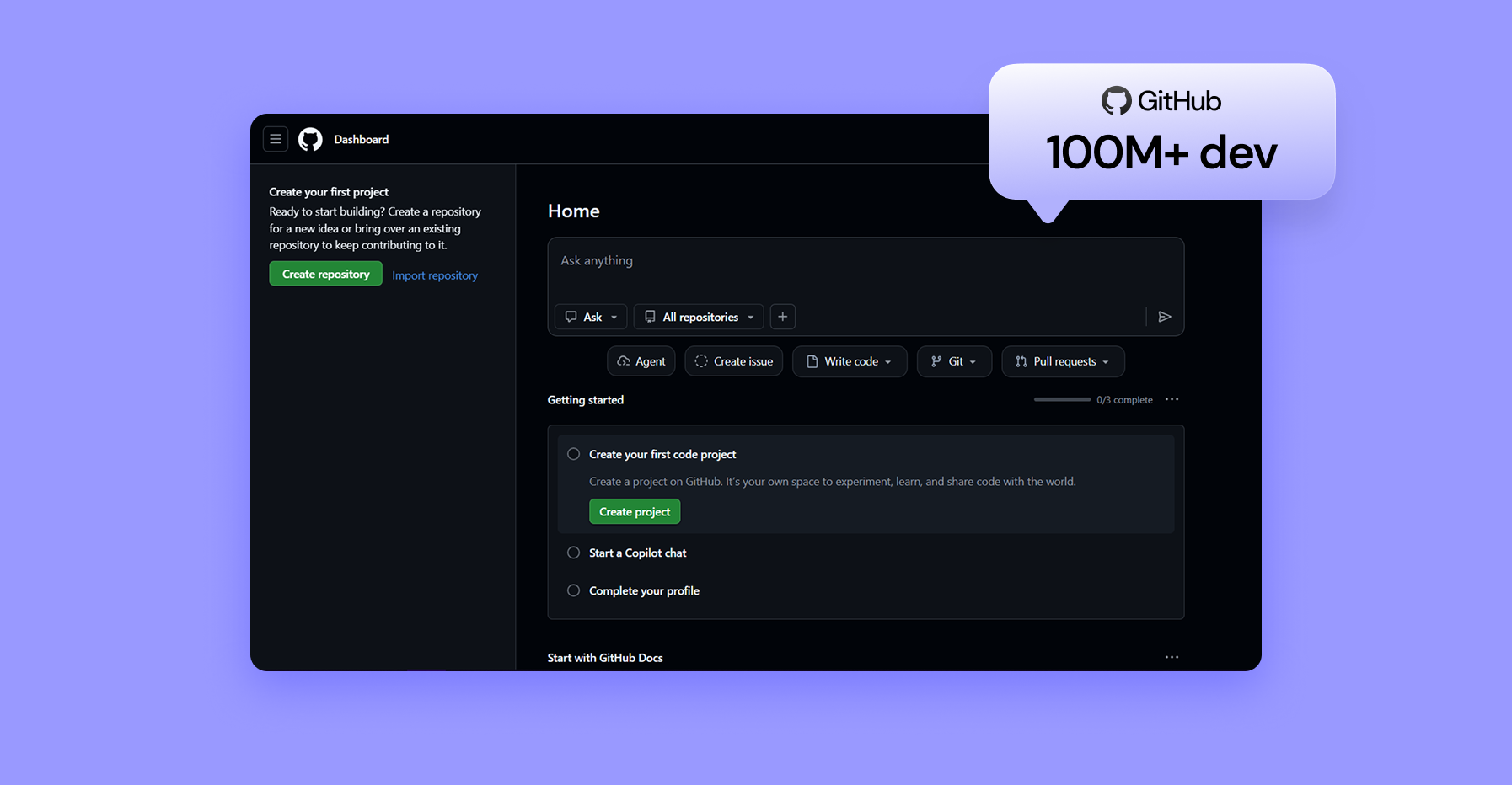
100M+ developers use GitHub workflows daily.
Interface conventions at this scale shape industry behavior.
Source: GitHub Octoverse
GitHub proves that effective UX does not need spectacle. It needs to feel structurally reliable.
Postman: The Visual Language of Collaboration
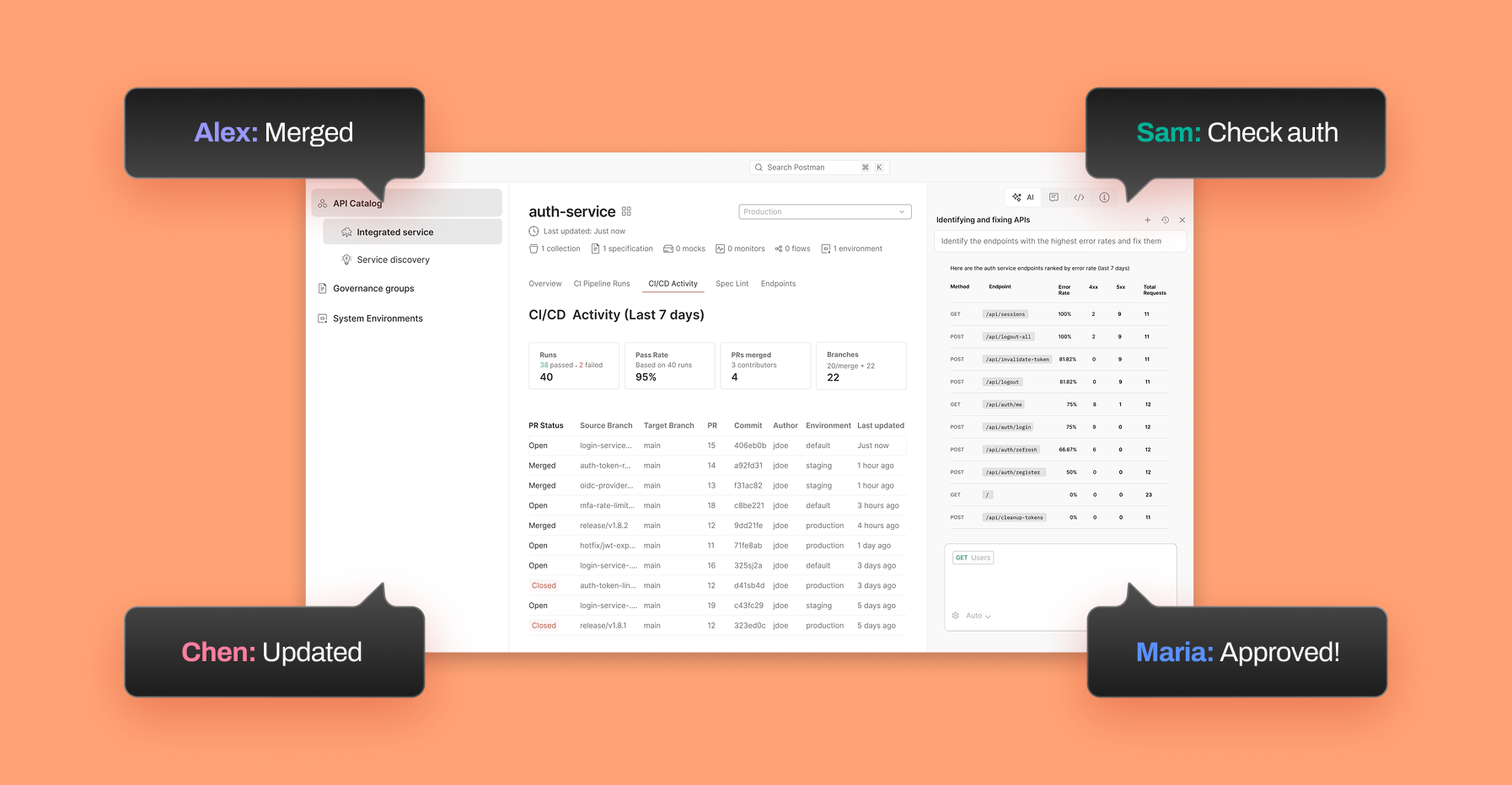
Postman began as a simple browser extension. It evolved into a full ecosystem by redefining how engineers interact with APIs. They created a visual grammar for system interaction.
What They Established
1. API as an object, not syntax
Request-response flows became conceptual models rather than text strings. The interface teaches understanding implicitly.
2. Documentation as interface layer
Documentation is integrated, readable, interactive. Learning becomes part of usage.
3. Collaboration as product behavior
Sharing, commenting, and versioning transformed API workflows into social processes.
Strong developer experience correlates with up to 5× faster revenue growth.
DX maturity creates measurable business advantage.
Source: McKinsey Developer Velocity Research
Postman demonstrated that clarity accelerates adoption more effectively than feature depth.
Common Patterns of the New DevTools Design Culture
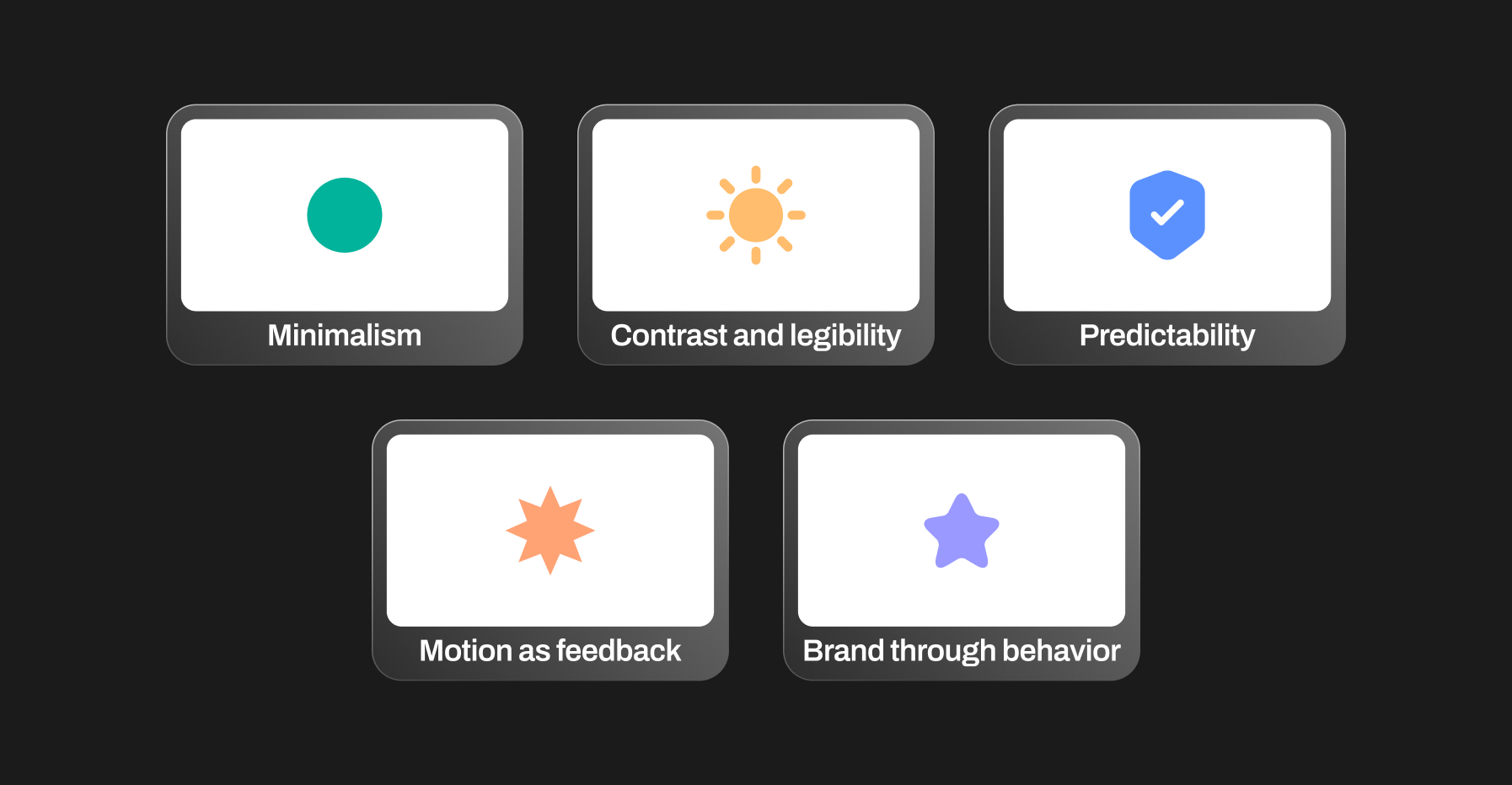
Across leading platforms, shared principles are now visible:
1. Engineering minimalism
Reduced decoration. Expanded execution space.
2. Contrast and legibility
Dark mode and density support extended cognitive workloads.
3. Predictability over delight
Reliability takes precedence over novelty.
4. Motion as feedback
Animation communicates system state more efficiently than text.
5. Brand through behavior
Vercel represents speed. GitHub represents trust. Postman represents clarity.
Brand identity emerges from interaction patterns rather than visual styling.
What DevTools Product Owners Can Learn
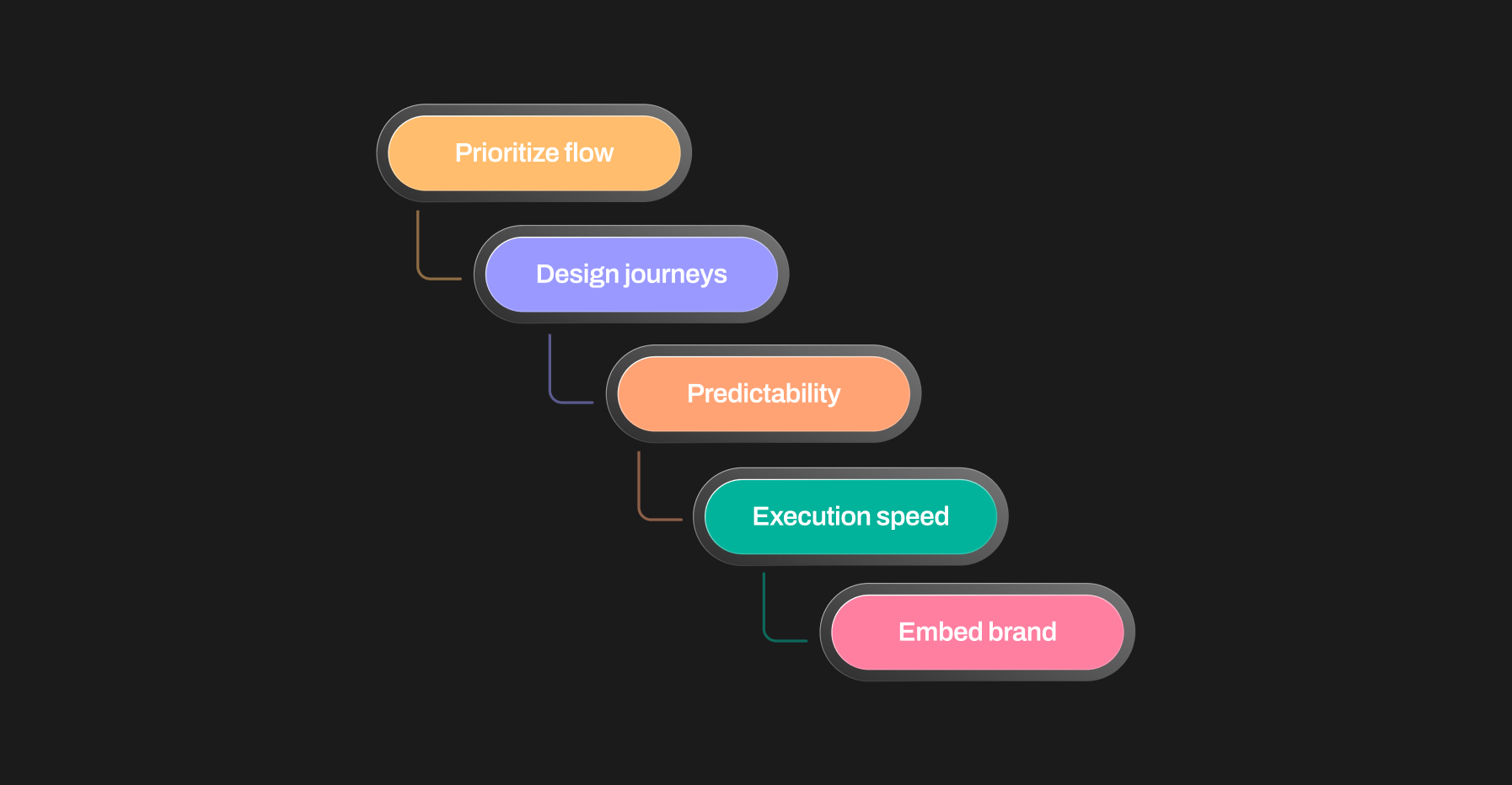
These principles function as strategic levers for building developer platforms.
1. Prioritize flow over features
Reduce friction across core workflows.
2. Design journeys, not screens
Interfaces should support continuous task progression.
3. Optimize for predictability
Consistency builds technical trust.
4. Measure execution speed
Time-to-outcome is a stronger metric than feature count.
5. Embed brand in system behavior
Product identity should be experienced, not described.
Why This Matters Now
Devtools are no longer niche products.
Every modern SaaS platform increasingly exposes developer surfaces. AI has accelerated this shift. Design literacy in developer experience is becoming essential to product strategy.
Interfaces that align with developer cognition reduce onboarding time, increase adoption, and strengthen trust. In B2D markets, trust functions as currency.
Conclusion: Interface as Respect
Vercel, GitHub, and Postman established a new baseline.
The idea that designers do not need to understand technical workflows is no longer viable. Modern developer interfaces are expressions of respect for cognitive bandwidth.
Each layout decision, motion pattern, and microinteraction contributes to a dialogue between design logic and engineering logic.
The most effective devtools UI does not demand attention. It supports momentum.
Editor’s Note — Peppermint
We design interfaces for teams building infrastructure for other builders. In devtools, clarity drives adoption.
Precision drives trust. Speed drives growth.
If your product targets developers, design cannot remain a secondary concern. The best interface is the one that accelerates outcomes without becoming visible.